Introduction
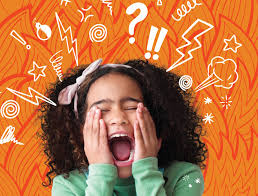
Every parent knows what it feels like to witness a child’s emotional meltdown—whether it’s a toddler crying on the floor or a teenager slamming the bedroom door. While emotional outbursts are common, they can become overwhelming when they happen frequently or intensely. For many families, these behaviors are a sign that a child or teen is struggling with emotional regulation.
Emotional Regulation: Emotional regulation is the ability to exert control over one’s own emotional state. Effective emotional regulation enhances self-awareness and acceptance, leading to better interpersonal relationships, conflict management, and overall mental well-being.
Why Do Emotional Outbursts Happen?
Emotional outbursts often reflect an underlying difficulty in processing feelings. Some common reasons include:
- Developmental stage: Younger children simply don’t have the brain maturity to regulate emotions like adults.
- Stress and anxiety: School pressure, family conflict, or social struggles can build up until they spill out. Prolonged stress can lower emotional tolerance, making it harder to manage frustration and increasing irritability.
- Underlying conditions: ADHD, autism spectrum disorder, anxiety, and mood disorders can impair emotional regulation, leading to more intense and frequent outbursts.
- Physical factors and Hormonal changes: Low blood sugar or dehydration or hormonal imbalances can impact mood and make someone more vulnerable to emotional instability and lability.
- Learned patterns: Sometimes children learn that yelling or crying is the fastest way to get attention or avoid something uncomfortable. A Lack of healthy ways to process emotions can cause them to build up and erupt unexpectedly.
- Trauma: Past trauma, especially in childhood, can significantly affect how adults cope with emotions, making them more susceptible to outbursts.
Understanding the “why” behind the behavior is the first step in supporting your child.
What Parents Can Do in the Moment
When emotions run high, it’s tempting to react with frustration. But your response can either escalate or calm the situation. In other words, during an outburst isn’t the time to implement corrective action or punishment. During the outburst, the child is not thinking rationally and their emotions are out of control. The parents’ role during the outburst is to assist their child in regaining emotional control.
- Stay calm yourself
Take a deep breath before responding. Children mirror adult emotions—your calmness can help them settle. - Acknowledge their feelings
Phrases like “I can see you’re really upset” validate their emotions without condoning the outburst. - Offer choices
Instead of demanding, provide two simple options. Example: “You can take a break in your room or sit quietly here until you feel calmer.” - Use consistent boundaries
Emotional expression is okay, but aggressive behavior or destruction is not. Consistent rules help children feel safe.
Long-Term Strategies for Emotional Regulation
Supporting kids outside of the heat of the moment is just as important. This is the time to help the child find alternate ways of coping with their emotions so they are more prepared to handle future situations that previously contributed to their emotional dysregulation.
- Teach coping skills: Breathing exercises, drawing, journaling, or using calming objects give kids tools to self-soothe.
- Practice emotional labeling: Encourage children to name their feelings (“I’m angry,” “I’m sad”) to build self-awareness.
- Encourage healthy outlets: Sports, art, and music can help kids release emotions constructively.
- Model regulation: Let your child see you use calming strategies when you’re stressed.
How Therapy Helps
Counseling provides children, teens, and young adults with the opportunity to explore their feelings in a safe, structured way. At Dynamic Counseling Solutions, we:
- Teach children how to recognize triggers and warning signs.
- Practice coping strategies through roleplay and skill-building.
- Help parents develop consistent strategies to reinforce progress at home.
- Address any underlying mental health conditions contributing to outbursts.
Closing Thoughts
Emotional outbursts don’t mean your child is “bad” or “out of control”—they mean your child needs help managing emotions they can’t handle yet. With the right support, kids can learn to express themselves in healthier, more constructive ways.
At Dynamic Counseling Solutions LLC, we specialize in helping families turn conflict into growth and connection. For more information, or to schedule a consultation, contact us below:
📞 Phone: (908) 290-5447
📧 Email: info@thedynamiccounseling.com
🌐 Website: www.thedynamiccounseling.com
 S.Pace's PsychoHealth Blog