| We all know that alcohol is widely consumed socially and is part of many cultures and traditions. However, it is important to be informed about the facts related to alcohol so you can make healthy choices. As with many things, moderation is key when it comes to alcohol. Key Facts About Alcohol -Alcohol is a depressant. It slows down vital functions like breathing, heart rate, and reaction time to stimuli.It is absorbed into the bloodstream and transmitted to all of the systems of the body. -There are three main types of alcohol: beer, wine, and spirits. Beer typically contains 4-6% alcohol by volume (ABV based on 12oz), wine typically contains 9-16% ABV (per 5oz serving), and spirits/liquor has anywhere from 30-90% ABV (per 1.5oz serving). -According to the CDC, excessive alcohol use led to approximately 95,000 deaths each year in the U.S. from 2006-2010 (through injuries, violence alcohol poisoning, liver disease, and cancer. –Binge drinking is defined as consuming 4+ drinks for women and 5+ drinks for men on a single occasion. It increases the risk of health issues like alcohol poisoning, liver disease, and unintentional injuries/accidents. –Underage drinking is especially dangerous as the developing brain is more susceptible to alcohol’s impairing effects on memory, learning, and judgment. It also increases the risk of addiction. Understanding the Psychological Impact of Alcohol Abuse As mentioned earlier, alcohol consumption is common socially and culturally, but abusing alcohol can significantly impact your mental health and psychological well-being. Here are some key psychological effects of long-term alcohol abuse: –Anxiety and Depression: Heavy drinking disrupts neurotransmitter and hormone balance in the brain, which can increase feelings of anxiety, depression, and irritability. This often persists even after stopping drinking. –Impaired Cognitive Function: Alcohol abuse has been shown to damage brain cells and neural connections over time, impairing memory, decision-making, and the ability to learn new tasks. –Low Self-Esteem and Shame: Abusing alcohol oftentimes is used as a self-medicating tool to mask unresolved issues such as low self-esteem or self-worth. Long-term it could worsen these feelings and lead to higher rates of stress, guilt, and shame around the drinking behavior. –Higher Suicide Risk: People who abuse alcohol long-term have a significantly higher risk of suicidal thoughts, attempts, and completion of suicide compared to the general public. Underlying mental health issues may exacerbate this. Relationship and Family Problems: Drinking too much often damages important relationships as it can cause abusive behavior, financial issues, broken commitments, and withdrawal from family life. If you or a loved one are struggling with alcohol abuse, it is important to seek help from a medical professional and/or a licensed alcohol counselor (LCADC). Support groups like A.A. (Alcoholics Anonymous) can also help address the psychological and societal issues associated with alcohol addiction. |
Tag: addiction
-
-
Marijuana is a complex issue with varying views in society. While it remains illegal under U.S. Federal law, many states have legalized it to some degree for medical or recreational use. Attitudes have become more accepting in recent years as research explores potential benefits. Greater familiarity through use and research has shifted social views to be more accepting and tolerant compared to the early 20th century stigma surrounding the drug.
But like many other recreational vices, marijuana can be abused, and when it is abused, it can negatively impact mood in several ways:
- Increased anxiety and paranoia: High doses of THC, the main psychoactive compound in marijuana, can trigger feelings of anxiety, panic, and paranoia. This can lead to symptoms like racing heart, trouble concentrating, and feeling on edge.
- Depression: Chronic, heavy marijuana use has been linked to an increased risk of depression. Some studies show that marijuana actually worsens symptoms in people who already have depression.
- Irritability: Marijuana intoxication and withdrawal can both cause feelings of irritability, anger, and hostility. This can strain relationships with friends and family.
- Mood swings: Frequent marijuana use can cause unstable moods and emotions that fluctuate quickly. This is due to the effects of THC on the brain’s reward and emotion regulation centers.
- Apathy and amotivation: Heavy marijuana use, especially over a long period of time, has been associated with a lack of motivation, interest in activities and reduced ability to experience pleasure. This can continue even after abstaining from use.
- Euphoria followed by Dysphoria: The initial euphoria caused by marijuana wears off quickly, often leaving users feeling down, lethargic and dysphoric. This cycle of highs and lows can damage mood stability over time.
- Difficulty experiencing positive emotions: Chronic marijuana abuse impairs the brain’s ability to produce feelings of reward and motivation in response to normally pleasurable stimuli. This can leave users feeling flat emotionally.
While marijuana has gained positive attention and acceptance overall, it is still a substance that can be abused. And the more it is abused the more likely it will have a negative impact on the user. The clients I see who abuse marijuana, are mostly using it as a self-medicating tool to address anxiety-related, or situational issues, or depression. They may have started using it recreationally, but it often turned into a go-to coping mechanism. They are oftentimes in denial that marijuana is having an adverse affect on their lives, not fully understanding that at the end of the day, marijuana is still a drug and can cause or exacerbate problems in a person’s life.
-
I just saw JAWS in IMAX over the Labor Day weekend (twice in fact!) Jaws is a classic horror film, and the first summer blockbuster when it was released in 1975. It tells the story of a homicidal, Great White Shark, (a Carcharodon Carcharias) who terrorizes Amity Island. For the first half of the movie, the shark was not seen. If it wasn’t for the music we wouldn’t even know he was on the prowl. The town council was in denial about the danger of this man-eater, “it was a boating accident”, or “a swimmer who just got tired and drowned”. Chief Brody knew better, Hooper declared this was no boating accident, that it was, in fact, a shark, and it would continue to kill people unless the beaches were closed and they did something about this shark.
But Mayor Vaughn said, “Amity is a summer town and they need summer dollars”. To further deflect the situation, he implored Brody to go after the vandal who painted a shark fin on their advertisement billboard, THAT was the real problem. Brody told him leaving the beaches open was like ringing the dinner bell!
Well, they left the beaches open, putting people in danger, all so the town council could line their pockets, come off like heroes, and get reelected. The mayor manipulated a council member to go into the water with his family to further demonstrate his political agenda. He minimized the danger and gave misinformation on camera about some swimmers who were injured when in fact they were devoured by a shark. It wasn’t until the next shark attack when the mayor’s son was within striking distance of the shark that he relented and closed the beaches, and hired someone to kill the shark.
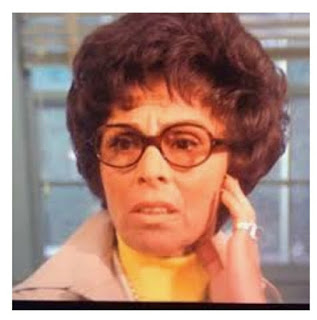
This is Mrs. Taft, she’s an “islander” from Amity Island. She wanted the beaches to stay open so she could get her tan. It didn’t matter that the little Kintner boy was eaten by the shark off a raft like sushi on rice. It didn’t matter that more people could die, as long as she could have what she wanted.
This level of self-centeredness didn’t just occur in a mid-’70s horror flick, it exists to this day in real life. Politicians like Mayor Vaughn are running rampant in this country. Most if not all politicians lie at some point; some are subtle about it, while others flaunt it like they are quoting from a Bible…oh wait, some claim they are doing that as well. They spread misinformation to gain attention and keep it on them, not for any altruistic purposes, but to stir up divisive rhetoric and promote hate. It doesn’t matter if they haven’t researched the facts, they are banking on their followers not researching it either. And they don’t!
People take these politicians and talking-heads at their word because they strike a nerve, an internal fuse if you will; they provide an outlet for people’s fear and anger within themselves that they have limited coping skills to address on their own. It is easier to blame others for their insecurities and misfortunes instead of taking responsibility for themselves.
Politicians and talking-heads prey on these people not to help them but to exploit them; while lining their pockets, gaining followers, and getting elected. Once they get what they want, they don’t all of sudden become compassionate and give back, no, they double down because they have to maintain this persona. Some don’t even believe what they are saying but they know it gets results, and that is all that matters. As long as they are able to get what they want, their selfish behavior will continue. Now, there are some “less intelligent” politicians and talking-heads, who believe they can say or do whatever with impunity; whether it is spreading misinformation, inciting anger/violence, or threatening people.
In order for the greater society to feel secure and hopeful for the future, there needs to be checks and balances for those who challenge the rule of law and thumb their noses at democracy. Talking heads who report information with skewed viewpoints or misinformation should be labeled “entertainment”, not news. Politicians should be held responsible for their actions and should have term limits.
People need to feel like they are being treated fairly, and not marginalized because of their socioeconomic status, the color of their skin, sex, or sexual orientation. When these factors are exploited, it does nothing but suppress, oppress, and regress society. This leads to all sorts of mental health and addiction issues, as well as violent and other acting-out behaviors. This in turn makes our job as mental health professionals more complicated than it already is.
Our job as therapists is to assist our clients toward self-improvement and a better quality of life. Often times their outlook is negative or bleak. It is extremely important for us to show them a path that is positive and hopeful. While it is often emphasized there are factors outside of their control they need to let go of; it is sometimes a daunting task. Those outside factors can carry a lot of weight, making it difficult for people with mental health issues to come out from under them. They need those public representatives to provide the information they need to make the best-informed decisions for their lives. That is what they are there for! (Otherwise, they are entertainers and should be labeled as such)
We will continue to be there for our clients, educating them about their mental health issues, and empowering them to manage their outside world. All we ask is that everyone else does their part to be informed, be kind to their neighbor no matter who they are or what they look like, and reject hate and negativity.
Thank you
-All Behavioral Health Professionals
 S.Pace's PsychoHealth Blog