While psychotherapy often focuses on addressing serious issues like anxiety, depression, and trauma, many therapists have discovered the value of incorporating humor into their practice. Using laughter and levity in appropriate ways can actually help clients make progress faster and feel better. Humor is an essential component of my practice. I use it to help my clients open up about issues, especially very sensitive ones, and show them the therapeutic process is not a scary or intimidating experience. Most therapists agree the right amount of humor at the right time can enhance the therapeutic process immensely.
Here are some ways humor benefits the therapeutic process:
It builds rapport and trust. Sharing a laugh with your therapist helps form an emotional connection early on. Clients feel more at ease opening up when they see the therapist has a lighter side.
It reduces anxiety and tension. Humor and laughter trigger the release of “feel-good” chemicals in the brain like endorphins and dopamine. This can relieve stress and ease anxious feelings that often arise in therapy sessions.
It provides perspective. Seeing the absurdity or irony in a situation through humor can help clients gain a new perspective on their problems. This shift in perspective often loosens the emotional grip pf painful thoughts and feelings.
It strengthens resilience. The ability to laugh at life’s difficulties is a sign of emotional strength and resilience. Therapists can help clients develop this coping skill through using humor together in sessions.
It signals progress. As clients make progress in therapy, they often become able to joke and find humor in things that previously upset them. This shows they are gaining some distance from their problems.
It strengthens the relationship. Sharing laughs together helps build trust, closeness, and a sense of fun between the therapist and client. This does not mean they are making light of their problems or not taking them seriously. It’s the exact opposite; it creates an alliance that is critical for making real progress.
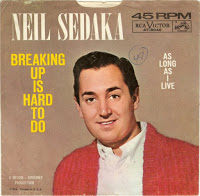
I know I am dating myself here with a Neil Sedaka song, but I thought it was fitting for this topic. You don’t need to go download the song on iTunes or Spotify, unless you really want to. But be warned, next thing you know you’ll be listening to all of his tunes, singing them in the car, or while you’re working out in the gym!!
I have worked with many clients with various relationship issues but none has been more difficult than addressing the aftermath of a break-up. Regardless of which side of the break-up you are on, coping with it can be extremely difficult, if not traumatic. While the relationship is over, some may experience grief-like symptoms as a result. Typically I hear people having appetite issues (not eating or overeating), having trouble sleeping, feeling nauseous, and having no desire or motivation to do anything. They’re also angry, sad, lonely, and feeling rejected and lost about their future.
“When you break up, your whole identity is shattered. It’s like death.”
-Dennis Quaid
Dennis Quaid was right, it really can feel like a death. In some way it is a death, the end of the relationship, it isn’t coming back. The symptoms described above, while illustrating what may happen at the end of a relationship, are the same symptoms described for someone experiencing grief from death.
It’s Over?!?!
So how do I get over it you ask!? Great question! Sometimes it is as simple as giving it time; “Time heals all wounds”. This basically means with the passage of time (and distance from that relationship), things will get better and you will be able to move on with your life. If that doesn’t work for you, the following are some other ways to cope with the break-up:
Write or talk about it: Sometimes writing in a journal or diary helps get the intrusive thoughts and feelings out of your head. Also, it can serve as a reminder of where you were throughout the different stages of grief about the relationship. Talking to trusted confidants, friends, or a therapist is also helpful not only for getting the thoughts and feelings out, but for receiving feedback, guidance, and support through the recovery process.
Self-care: You need to take care of your basic needs. Eating right, getting a good night’s sleep, and exercising are key components of self-care. But you also need to just make sure you’re doing all the basics (i.e. bathing, brushing teeth, etc). It is so important to try and resume your normal activities. One thing self-care certainly does not include is any self-DESTRUCTIVE behaviors. We’re talking about pretty much all the addictive behaviors here: alcohol, drugs, overeating, gambling, shopping, casual sex, etc.
Exercise: Specifically cardiovascular exercise. This type of exercise gets the heart rate going in a healthier way, releasing endorphins that make you feel better. It can also help “clear your head” by providing a healthy distraction. Go for a run or a brisk walk or bike ride at least 3x/week for 30-60 minutes.
Practice gratitude: Remind yourself of all the things you appreciate in your life instead of focusing so much on the negative. Make a list of the things you are thankful for, even if you have to force yourself to find something positive. In time this process will get easier as well.
Laughter:Laughter is the best medicine as they say. Do something that will “lighten the mood”, whether watching a comedy TV show or movie or sharing a light moment with a friend. Laughter has been known to boost mood, improve overall health, and speed up the healing process. Not everything in life has to be so serious, even a breakup.
Give back:It’s not all about you! Believe it or not, other people have it worse than you do, yeah it’s probably hard to see that when you are deep in the grief process of the breakup, but it’s true. Performing acts of kindness have been shown to alleviate stress and depression, as well as improve one’s overall health.
“Pain is certain, suffering is optional.”
—Buddha
Believe it or not, you can die from a broken heart. The condition is called Takotsubo cardiomyopathy, or stress cardiomyopathy.
According to the Mayo Clinic,Broken Heart Syndromeis a temporary heart condition that’s often brought on by stressful situations, such as the death of a loved one. The condition can also be triggered by a serious physical illness or surgery. People with broken heart syndrome may have sudden chest pain or think they’re having a heart attack. Broken heart syndrome may be caused by the heart’s reaction to a sudden surge of stress hormones.
Obviously, if you are experiencing symptoms that mimic a heart attack like shortness of breath and chest tightness for any extended period of time you should seek medical assistance. Of course, this may most likely be anxiety-related symptoms you are experiencing, so practicing relaxation techniques like breathing exercises, yoga, meditation, etc can help alleviate the anxiety-related symptoms associated with the break-up.
MOVE ON!?!?
So how do I move on once I have accepted the relationship is over? Another great question! Well, some might say it is easier said than done. Doing the techniques and skills I’ve identified here are very important for the recovery process. But that may not be enough. So here are some other things to consider:
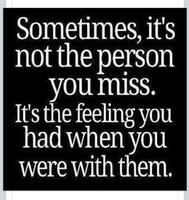
Recognize he/she might have not been the right one for you. Sometimes we are more attached to the IDEA and FEELING of the relationship, but not necessarily with this person. But since you were just in a relationship with this person, you still perceive he/she is THE person for you. Sometimes when you feel this way you tend to bargain and compromise your principles to convince this person to take you back (or convince yourself this person is still the right person for you). This is delusional thinking and can lead to more self-destructive if not humiliating behavior.
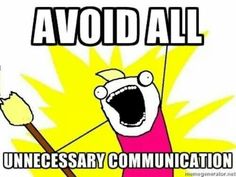
Eliminate (or significantly reduce) your contact with this person: Unless you have something or someone you have to continue to be associated with (children, businesses, etc), I strongly recommend detaching from this person entirely. That means all forms of social media, phone numbers, emails, etc. What about mutual friends? That may be more difficult and should be taken up individually. They may not want to get in the middle of your situation and opt to remove themselves from both of you. Again, this should be addressed on a case-by-case basis.
Closure: Sometimes it is necessary to get closure from the other person. “Why did you break up with me?” “Did you ever really love me?” There are usually unanswered questions after a break-up and ideally getting those questions answered can aid in the recovery. But don’t be surprised if the other person doesn’t want to talk with you about it or answer those questions. I’m not saying that is right or wrong, but that is their choice and you will have to ultimately accept whatever it is they decide to do with that.
Forgiveness: When the time is right in your mind and your heart, forgiving the other person can really set you free. But first, you MUST forgive yourself. You need to forgive yourself for holding on to the baggage that may have prevented you from living the life you wanted to live. You need to forgive yourself for the emotional turmoil you put yourself through; just forgive yourself for everything that has happened. When you do that, it will be easier to forgive the other person, hence setting yourself free.
There is hope for those going through a painful break-up. With time and healing, break-up sufferers can move on to have happy, fulfilling lives. If you are struggling with a break-up or contemplating breaking up a relationship, seek professional assistance for guidance through the process.
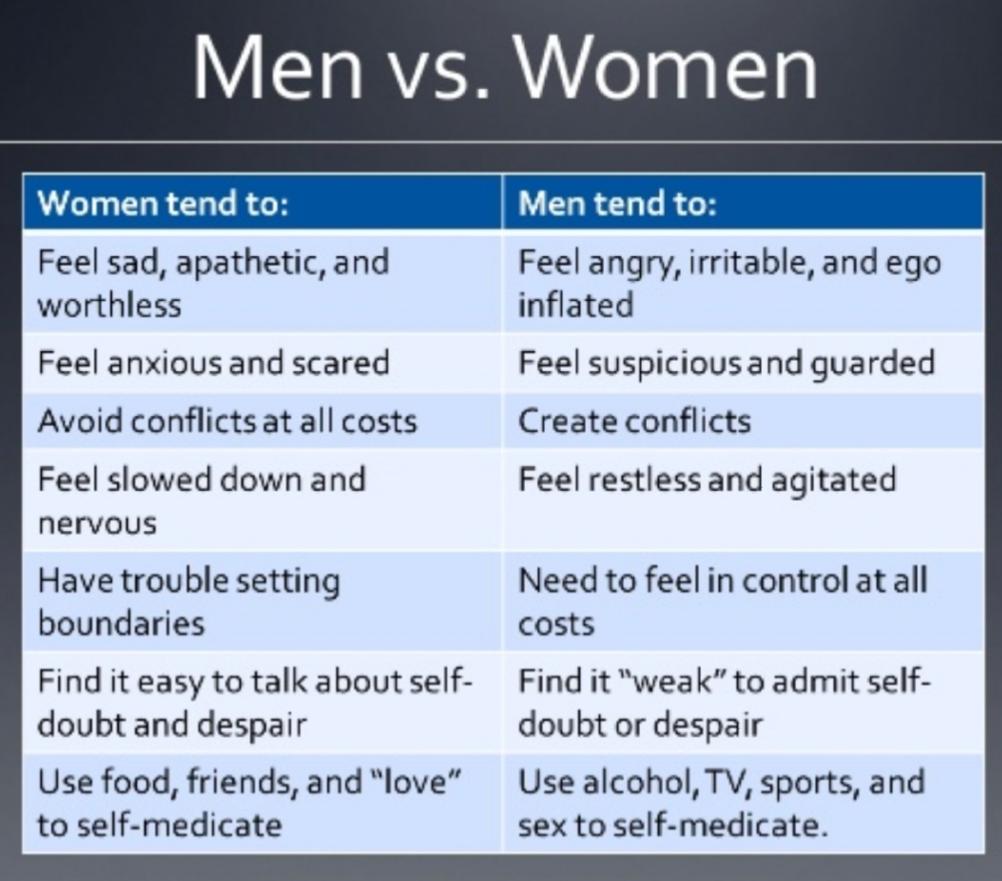
While men and women both experience depression, their symptoms may seem different. Men may display more anger or aggressive behavior, expressing their depression outward. Family, friends, and even medical professionals may not see these symptoms as depressive symptoms; and let’s be honest, even if they did and told the man so, most likely he would deny it and not seek treatment for it. Men may attribute it to some external factor like problems at work or financial stress, therefore they won’t readily accept they need to talk with someone about depression.
What is depression?
Depression is a common but serious mood disorder that affects the ability to feel, think, and handle daily activities. Clinical or Major Depressive Disorder must have symptoms present for 2 weeks to confirm the diagnosis.
(Click the link below for more information about depression)
As I mentioned earlier, men experience depression differently than women. The following are some examples of signs or symptoms for men to consider:
Escapist behavior, such as spending a lot of time at work or on sports
Irritability or inappropriate anger
Controlling or violent or abusive behavior
Risky or reckless behavior like excessive speeding or disobeying traffic laws, road rage, etc.
Alcohol and/or drug abuse
Common depressive symptoms: feeling sad, hopeless, empty, feeling extremely tired, difficulty sleeping, little to no pleasure in activities
Focusing on more physiological symptoms like headaches, digestive problems, tiredness, long-term pain issues, etc.
Downplaying these signs and symptoms, making some other excuses as reasons for the way they feel, externalizing emotional pain
Reluctance to discussing depressive symptoms (difficulty trusting to open up)
Resistance to mental health treatment (stigma-men don’t ask for help)
Whether you seek treatment or not, men should be honest with themselves about how they are feeling or what they are thinking. Sometimes it is difficult to accept that you are not feeling as well as you would like, and may even be embarrassed to say something to someone. The following are some coping skills to consider while you are sorting out these thoughts and feelings:
Set realistic goals and prioritize. Know your limits and do not go past them. When you are feeling overwhelmed, usually it is because you have taken on more than you can handle. It’s not macho to pile everything on and take care of things yourself–it’s foolish! Identify the top 3 things that need to be addressed and ONLY focus on those three things. Once you have a better handle on them, you can address other issues on your list.
Seek out emotional support. You would be surprised who your support network is; all you have to do is ask. Reach out to someone you trust and mention to them that you are having a difficult time, and ask if they would mind if you vented to them. Who knows, it may really help, and next time you will be the one they come to!! More people relate to what you are going through then not, so reach out to someone.
Learn ways to alleviate stress. This is extremely important, often times the depressive symptoms you are experiencing are the result of significant unaddressed stress. Massage, meditation, yoga, physical activity like sports or weight lifting, progressive relaxation exercises, etc. are some stress relieving activities to consider.
Live healthy lifestyle. This encompasses many different areas like proper diet and nutrition, regular exercise, adequate sleep, socialization with people who are positive influences (and not those who are steeped in negativity), etc.
Men have been sex-role-stereotyped to be the “strong silent type”: don’t express feelings, tough it out, be self-confident and aggressive, “fix things”, physically imposing, sexually experienced, driven. These societal and cultural norms create rigid beliefs about masculinity that are misguided and maladaptive to modern-day living. This creates undue pressure not only for the men but for the women who have to deal with them!! If more men would be honest and open about their feelings (and be willing to address them), there would be significantly less conflict and significantly more understanding.
I have worked with a number of men in my practice, as well as known some personally, who have (or should have been) diagnosed with depression. I too have experienced depression and probably have been Dysthymic for years.
Dysthymia: a mild but long-term form of depression. I describe it, non-clinically, as chronic “low-grade dumpiness”. I told you it wasn’t clinical! It’s not Eeyore from Winnie the Pooh level, but it could go there. What is most noticeable is irritability, low frustration tolerance, and physical tension from the shoulders to the head.
I notice the more irritable (or depressed) men are the more judgemental they are, and the more absolute their thinking is (black or white, right or wrong). “Only the Sith deal in absolutes”…sorry Star Wars reference there. But this absolute thinking could lead someone down a dark path, maybe not Darth Vader territory. There is an increased level of inflexibility, and/or an inability to consider alternate viewpoints and ideas. It is difficult for people to communicate with them because they do not want to be vulnerable, or exposed as “less than a man”. They may appear unreasonable, but in reality they are trying to keep the attention away from what is really going on…their depression.
Men will focus more on external issues that may not actually affect them personally or express negative thoughts that serve no other purpose but to accentuate the irritability (or depression) they are feeling. Sometimes it may come off as humor or sarcasm, but there is truth and anger mixed in. How can you tell if it is just joking behavior versus passive-aggressive sarcastic behavior? You can tell by who or what the humor is directed at. When it is directed at a “them”, to me it is an attempt to joke at someone or something else’s expense. I don’t find that funny, I see that as someone’s way of “lightly” expressing their dissatisfaction or displeasure with that person or thing. (Now, I am not referring to stand-up comedians or satire, although they could take things too far as well)
When I see people using self-deprecating humor, laughing at themselves, or including themselves in the joke, I find that to be more relatable humor. (Now of course, when I see people constantly putting themselves down “humorously”, that to me is not funny either). I believe we have to use humor to get through the rigors of our lives, it is essential, but how one uses it is significant. People who use humor or sarcasm to express themselves, especially about other people, are very likely masking some internal struggle they have not or are not willing to address.
When men understand what is going on with themselves internally, they feel the weight of the world being lifted, they feel more understood, and are less likely to be irritable and angry…and less depressed. It is not a sign of weakness for men to talk with someone about their mental health. In fact, it is the complete opposite; it is a sign of internal strength to admit one cannot manage the stressors of their world by themselves. About 2/3 of my clientele are male, and almost every one of them had a different view of therapy leaving than they did when they first came in (mostly positive!).





 S.Pace's PsychoHealth Blog