Expressing emotions for men can be difficult. From a young age we are taught either directly or indirectly that being vulnerable or sharing feelings is a sign of weakness. This tendency to remain silent and bottle up emotions can have negative consequences if left unaddressed.
Research has shown that men who have difficulty openly communicating and processing their feelings in a healthy way show higher rates of anxiety, depression, and relationship problems later in life. When sons feel they cannot confide in or be emotionally open with their parents or peers, it can leave them feeling isolated and alone with their struggles. Over time this silence takes its toll both mentally and physically. Studies have found that men who do not express themselves are more likely to engage in risky behaviors like substance abuse as a way to cope with their inner struggles. They may also have poorer overall health and well-being.
The stigma around masculinity and vulnerability also means many “silent” men do not seek help even when they recognize they need it. Asking for help is also viewed as a sign of weakness rather than a show of courage to seek a means to improve their life. As a result, their struggles go unaddressed until they become more serious problems.
It is important for parents, loved ones, and society to encourage healthy emotional expression in boys from a young age. They need to know it is ok to share their feelings, seek support, and be vulnerable to establish healthier communication skills that can continue into adulthood.
Treatment for the Strong Silent Type
For many men, opening up to a therapist may seem scary or embarrassing at first. However, therapy provides a safe, non-judgmental space where they can start practicing emotional expression. A good therapist will make them feel comfortable and put men at ease to openly share what they are thinking and feeling. Talk therapy allows men to process these feelings and experiences out loud, gain insight into relationship patterns, and develop healthier communication skills.
Group therapy can allow men to hear that others face similar struggles, reducing any sense of stigma or isolation. It can be easier to open up when others are sharing as well. Group settings often provide opportunities for feedback, practice active listening, and strengthen social and emotional skills around empathy, support, and conflict resolution.
Creative or body-based modalities like art, music, yoga, and meditation therapies allow men to express inward experiences non-verbally first before putting words to emotions. This indirect approach feels less intimidating than traditional talk therapy for some.
The right therapist and treatment techniques make all the difference for men wanting to break the patterns of their silent struggles. With a compassionate and experienced guide, therapy can creat the path for men to come out of the darkness emerging with a voice and a healthier outlook on life.
For far too long, men’s mental health has been a taboo subject. But the statistics show that men struggle with mental health issues like depression, anxiety, addiction, and suicidal thoughts at alarming rates. According to the Centers for Disease Control and Prevention, roughly 77% of all suicide deaths in the United States are by men. While both men and women experience mental health issues, cultural norms have led men to feel they can’t express vulnerability or ask for help. This can have tragic consequences.
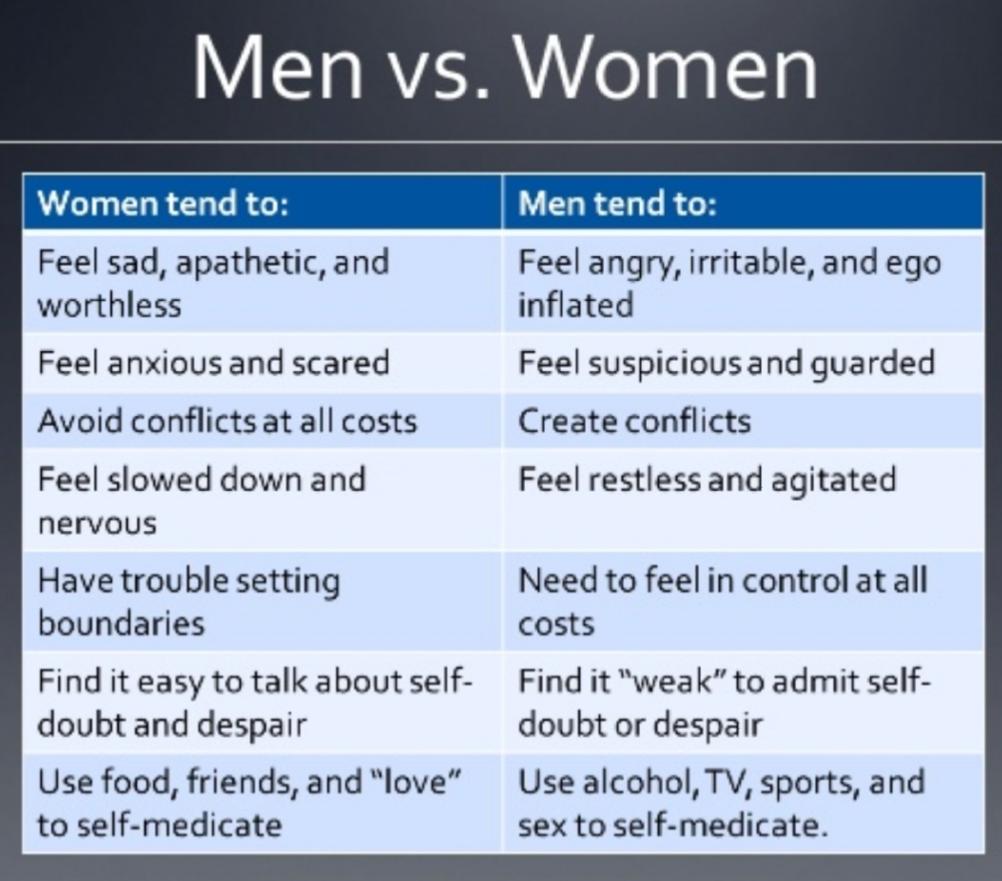
The demands placed on men in our society also take a psychological toll. Men often feel pressure to appear strong and in control at all times. They may internalize the message that admitting to feelings of stress, sadness or weakness is a sign of failure as a man. This can isolate men from social support networks and prevent them from getting help early when problems first emerge. This unfortunately leads them to engage in self-medicating behaviors like alcohol and drug abuse, gambling, infidelity, etc.
The stigma around men seeking help for emotional problems prevents so many from getting the support they need. Fortunately, attitudes are slowly changing as people recognize mental health as equally important as physical health. There are many resources available for men seeking help, from online support forums to counseling services and support groups. Reaching out for help takes courage but is one of the most caring things you can do for yourself and your loved ones.
Counseling provides a confidential, non-judgemental space to open up about what is really going on in one’s life and how they are feeling. Speaking to a professional counselor means you don’t have to try handling problems alone or put on a brave face for friends and family. Counselors are trained to listen without criticism and help you understand yourself better.
Many issues like depression, anger, or relationship conflicts have deep-rooted causes that counseling can help uncover and resolve. Talking through problems with an objective listener brings clarity that friends may not provide. Counselors use goal-oriented techniques like CBT to change negative thoughts and behavior patterns over the long term.
Seeking and participating in counseling is a sign of strength not weakness. Facing problems head-on with a counselor’s guidance takes courage. It shows you want to improve your life, relationships, and your overall quality of life. Counseling is a process, not a quick fix; with the objective of creating lasting positive change. So if you are on the fence about starting counseling, give it a try. Your well-being is worth the investment. Consider it a check-up from the neck up!
Why is it difficult for fathers to parent their teenage kids? In so many ways, dads face uphill battles to effectively parent their teenagers through this complex developmental period. There are several key reasons why it is particularly difficult for fathers:
Changing dynamics: The parent-child relationship goes through major shifts as teens seek more independence and autonomy. Some fathers struggle to adjust their role and authority. Their teen will want to do more on their own (or with friends) without their parents, and will get defiant when dad tells them no. This in turn may make the father feel disrespected and increase the likelihood of a conflict, with the dad trying to regain “control” of their teenage child.
Lack of experience: Fathers may feel ill-prepared to guide their child through the emotional ups and downs of adolescence. I believe all dads are unprepared to navigate through the raging hormones, and the desire of their teenager to explore their world without them. It could certainly be a shock to the system, but it can also foster a different level of communication, a more collaborative one.
Distance in the relationship: Teens naturally pull away from their parents, which can be felt more significantly by dads who were previously close with their younger child. Again, this is an adjustment period that no parent, specifically dads, are not prepared for. It is everything they can do to not take it personally when their teenager would rather spend time with friends than with their parents.
Communication challenges: Open dialogue is harder as teens don’t share as freely. Fathers must make more of an effort to connect on a deeper level through more listening than “preaching”. Dads cannot get away with the “because I told you so” argument. They have to try and explain their rationale behind the things they say to their teenager, rather than just yell demands (especially when it is not what their child wants to hear).
Clash of masculinity: Teenage sons may resist paternal guidance as they establish their own identity. This can most certainly put a restrain on the father-son bond. Again, this can lead to fathers feeling not only disrespected but also inadequate as a parent. This could lead fathers expressing their anger more aggressively, in an attempt to reestablish themselves as the dominant figure in the household.
Relating to teenage experiences: It is difficult for fathers, who are much older, to remember and relate to the daily social pressures and challenges of modern teenage life. This happens all the time, from generation to generation. The older generation seems to always think they know exactly what the current generation is going through. I can tell you from my experience, not only as a therapist but as a parent that couldn’t be farther from the truth. This generation of kids are experiencing their environment in ways we never could have imagined at their age. The unlimited instant access to information and rapidly changing technology expose these teenagers to life situations they are not emotionally, intellectually, or cognitively prepared to adequately manage. So imagine the fathers trying to help protect their children from all of that. They would have to get an education on all of what is out there just to try and keep up. Not an easy task.
Work commitments: Demands of providing financially can prevent fathers from spending important one-on-one time with their teens. Unstable economy and work environments contribute to an ever present level of stress that oftentimes spills over into the home environment. Financial stressors can reek havoc on home life with the teenagers sometimes getting negative attention from their parents.
Co-parenting difficulties: When present, tensions with the teen’s mother can undermine consistent discipline and open communication. Differences in parenting styles could foster a more adversarial relationship with one or the other parent to the teenager.
Unresolved issues from father’s own adolescence: Oftentimes fathers harbor resentment from their own teenage experiences and project negative emotions and thoughts onto their own teenager. This happens quite often with fathers trying to prevent whatever happened to them with their children, leading to conflict because the fathers come off as more controlling and not communicating where their concerns are stemming from.
How can fathers be better parents for their teenagers?
Set clear boundaries and consequences. Teenage boys often test limits, so fathers need to be firm but fair with rules around curfew, chores, schoolwork, etc. They must follow through consistently!
Encourage open communication. Teenagers may be reluctant to talk, so fathers should make an effort to regularly check in, listen actively, and share how they are feeling as well.
Encourage positive activities. Help them find hobbies, sports, volunteering, or a part-time job to keep busy and learn life skills. Structure reduces boredom and the risk of delinquent behavior.
Monitor peer influences closely. Know who their friends are and how they might be impacting behavior. Be willing to set limits on certain friends if needed. Be mindful not to overstep unless you can provide clear reasoning why a friend who they associate with may not be the best influence for them.
Address emotions constructively. Validate feelings but do not tolerate outbursts. Encourage other coping strategies like journaling, exercise, or talking it out when calmer.
Model respectful behavior. Teenage boys learn from their father’s examples. Fathers treat their sons, partners, and others with kindness and respect.
Use sensible consequences proportionate to maladaptive behaviors. Natural consequences tend to work better than straight punishment. Removing privileges may work better than yelling.
Spend quality time one-on-one. Do activities they enjoy to keep the relationship strong during this development phase.
Maintain reasonable expectations for development. Pick battles wisely and consider their maturity level and impulsiveness at this stage.
Seek help early if issues escalate. Working with a therapist can help navigate major challenges for both the teenager and the father. Counseling can also assist with the unresolved issues the father may have that is contributing to the conflict with their teenager.
Fatherhood can be a very rewarding life experience, but it can also be a frightening one. Learning how to navigate through the teenage years can result in a more enriched adult/child relationship with their children as they get older. So, buckle up it is going to be a wild ride, and dads, don’t be afraid to pull over and ask for directions!
While men and women both experience depression, their symptoms may seem different. Men may display more anger or aggressive behavior, expressing their depression outward. Family, friends, and even medical professionals may not see these symptoms as depressive symptoms; and let’s be honest, even if they did and told the man so, most likely he would deny it and not seek treatment for it. Men may attribute it to some external factor like problems at work or financial stress, therefore they won’t readily accept they need to talk with someone about depression.
What is depression?
Depression is a common but serious mood disorder that affects the ability to feel, think, and handle daily activities. Clinical or Major Depressive Disorder must have symptoms present for 2 weeks to confirm the diagnosis.
(Click the link below for more information about depression)
As I mentioned earlier, men experience depression differently than women. The following are some examples of signs or symptoms for men to consider:
Escapist behavior, such as spending a lot of time at work or on sports
Irritability or inappropriate anger
Controlling or violent or abusive behavior
Risky or reckless behavior like excessive speeding or disobeying traffic laws, road rage, etc.
Alcohol and/or drug abuse
Common depressive symptoms: feeling sad, hopeless, empty, feeling extremely tired, difficulty sleeping, little to no pleasure in activities
Focusing on more physiological symptoms like headaches, digestive problems, tiredness, long-term pain issues, etc.
Downplaying these signs and symptoms, making some other excuses as reasons for the way they feel, externalizing emotional pain
Reluctance to discussing depressive symptoms (difficulty trusting to open up)
Resistance to mental health treatment (stigma-men don’t ask for help)
Whether you seek treatment or not, men should be honest with themselves about how they are feeling or what they are thinking. Sometimes it is difficult to accept that you are not feeling as well as you would like, and may even be embarrassed to say something to someone. The following are some coping skills to consider while you are sorting out these thoughts and feelings:
Set realistic goals and prioritize. Know your limits and do not go past them. When you are feeling overwhelmed, usually it is because you have taken on more than you can handle. It’s not macho to pile everything on and take care of things yourself–it’s foolish! Identify the top 3 things that need to be addressed and ONLY focus on those three things. Once you have a better handle on them, you can address other issues on your list.
Seek out emotional support. You would be surprised who your support network is; all you have to do is ask. Reach out to someone you trust and mention to them that you are having a difficult time, and ask if they would mind if you vented to them. Who knows, it may really help, and next time you will be the one they come to!! More people relate to what you are going through then not, so reach out to someone.
Learn ways to alleviate stress. This is extremely important, often times the depressive symptoms you are experiencing are the result of significant unaddressed stress. Massage, meditation, yoga, physical activity like sports or weight lifting, progressive relaxation exercises, etc. are some stress relieving activities to consider.
Live healthy lifestyle. This encompasses many different areas like proper diet and nutrition, regular exercise, adequate sleep, socialization with people who are positive influences (and not those who are steeped in negativity), etc.
Men have been sex-role-stereotyped to be the “strong silent type”: don’t express feelings, tough it out, be self-confident and aggressive, “fix things”, physically imposing, sexually experienced, driven. These societal and cultural norms create rigid beliefs about masculinity that are misguided and maladaptive to modern-day living. This creates undue pressure not only for the men but for the women who have to deal with them!! If more men would be honest and open about their feelings (and be willing to address them), there would be significantly less conflict and significantly more understanding.
I have worked with a number of men in my practice, as well as known some personally, who have (or should have been) diagnosed with depression. I too have experienced depression and probably have been Dysthymic for years.
Dysthymia: a mild but long-term form of depression. I describe it, non-clinically, as chronic “low-grade dumpiness”. I told you it wasn’t clinical! It’s not Eeyore from Winnie the Pooh level, but it could go there. What is most noticeable is irritability, low frustration tolerance, and physical tension from the shoulders to the head.
I notice the more irritable (or depressed) men are the more judgemental they are, and the more absolute their thinking is (black or white, right or wrong). “Only the Sith deal in absolutes”…sorry Star Wars reference there. But this absolute thinking could lead someone down a dark path, maybe not Darth Vader territory. There is an increased level of inflexibility, and/or an inability to consider alternate viewpoints and ideas. It is difficult for people to communicate with them because they do not want to be vulnerable, or exposed as “less than a man”. They may appear unreasonable, but in reality they are trying to keep the attention away from what is really going on…their depression.
Men will focus more on external issues that may not actually affect them personally or express negative thoughts that serve no other purpose but to accentuate the irritability (or depression) they are feeling. Sometimes it may come off as humor or sarcasm, but there is truth and anger mixed in. How can you tell if it is just joking behavior versus passive-aggressive sarcastic behavior? You can tell by who or what the humor is directed at. When it is directed at a “them”, to me it is an attempt to joke at someone or something else’s expense. I don’t find that funny, I see that as someone’s way of “lightly” expressing their dissatisfaction or displeasure with that person or thing. (Now, I am not referring to stand-up comedians or satire, although they could take things too far as well)
When I see people using self-deprecating humor, laughing at themselves, or including themselves in the joke, I find that to be more relatable humor. (Now of course, when I see people constantly putting themselves down “humorously”, that to me is not funny either). I believe we have to use humor to get through the rigors of our lives, it is essential, but how one uses it is significant. People who use humor or sarcasm to express themselves, especially about other people, are very likely masking some internal struggle they have not or are not willing to address.
When men understand what is going on with themselves internally, they feel the weight of the world being lifted, they feel more understood, and are less likely to be irritable and angry…and less depressed. It is not a sign of weakness for men to talk with someone about their mental health. In fact, it is the complete opposite; it is a sign of internal strength to admit one cannot manage the stressors of their world by themselves. About 2/3 of my clientele are male, and almost every one of them had a different view of therapy leaving than they did when they first came in (mostly positive!).


 S.Pace's PsychoHealth Blog