Everyone knows that sleep is incredibly important for our physical health and day-to-day functioning. But did you realize that sleep is equally vital for your mental well-being and emotional balance? Research reveals that a lack of sleep alters brain activity. When you’re sleep-deprived, you may struggle with decision-making, problem-solving, emotional regulation, and adapting to change. Sleep deficiency has also been associated with depression, suicidal thoughts, and risky behavior.
Sleep deprivation can lead to self-medicating or addictive behaviors. When you’re sleep-deprived, you naturally feel tired or sluggish during the day. One common solution is to consume caffeinated drinks. If sleep troubles persist, caffeine consumption can significantly increase over time. This can further complicate the issue of sleeplessness. So, what happens when someone is overly caffeinated by the end of the day? They attempt to counter it by consuming alcohol, smoking marijuana, or taking other depressant drugs to calm themselves down (anyone for Z-quil?). This creates a harmful cycle that disrupts a person’s life.
Here are some significant benefits of sleep for your mental well-being:
1) Improves your mood. A good night’s sleep aids in regulating your mood and reducing stress levels.
2) Enhances emotional resilience. A well-rested mind is better equipped to remain calm and composed in challenging situations.
3) Improves focus and concentration. Sleep is indispensable for cognitive functions such as focus, problem-solving, decision-making, and creativity.
4) Allows your mind to rest. Sleep provides your mind with a break from the constant stimuli of waking hours.
5) May help reduce the risk of Alzheimer’s and dementia. Maintaining good sleep habits as you age may contribute to delaying or preventing cognitive decline.
6) Leads to healthier relationships. A good night’s sleep helps you sustain a balanced mood and perspective.
Sleep is the cornerstone of your physical and mental well-being. It’s essential to prioritize getting the recommended 7-9 hours of sleep per night to maintain your healthiest and happiest self.
Why is it difficult for fathers to parent their teenage kids? In so many ways, dads face uphill battles to effectively parent their teenagers through this complex developmental period. There are several key reasons why it is particularly difficult for fathers:
Changing dynamics: The parent-child relationship goes through major shifts as teens seek more independence and autonomy. Some fathers struggle to adjust their role and authority. Their teen will want to do more on their own (or with friends) without their parents, and will get defiant when dad tells them no. This in turn may make the father feel disrespected and increase the likelihood of a conflict, with the dad trying to regain “control” of their teenage child.
Lack of experience: Fathers may feel ill-prepared to guide their child through the emotional ups and downs of adolescence. I believe all dads are unprepared to navigate through the raging hormones, and the desire of their teenager to explore their world without them. It could certainly be a shock to the system, but it can also foster a different level of communication, a more collaborative one.
Distance in the relationship: Teens naturally pull away from their parents, which can be felt more significantly by dads who were previously close with their younger child. Again, this is an adjustment period that no parent, specifically dads, are not prepared for. It is everything they can do to not take it personally when their teenager would rather spend time with friends than with their parents.
Communication challenges: Open dialogue is harder as teens don’t share as freely. Fathers must make more of an effort to connect on a deeper level through more listening than “preaching”. Dads cannot get away with the “because I told you so” argument. They have to try and explain their rationale behind the things they say to their teenager, rather than just yell demands (especially when it is not what their child wants to hear).
Clash of masculinity: Teenage sons may resist paternal guidance as they establish their own identity. This can most certainly put a restrain on the father-son bond. Again, this can lead to fathers feeling not only disrespected but also inadequate as a parent. This could lead fathers expressing their anger more aggressively, in an attempt to reestablish themselves as the dominant figure in the household.
Relating to teenage experiences: It is difficult for fathers, who are much older, to remember and relate to the daily social pressures and challenges of modern teenage life. This happens all the time, from generation to generation. The older generation seems to always think they know exactly what the current generation is going through. I can tell you from my experience, not only as a therapist but as a parent that couldn’t be farther from the truth. This generation of kids are experiencing their environment in ways we never could have imagined at their age. The unlimited instant access to information and rapidly changing technology expose these teenagers to life situations they are not emotionally, intellectually, or cognitively prepared to adequately manage. So imagine the fathers trying to help protect their children from all of that. They would have to get an education on all of what is out there just to try and keep up. Not an easy task.
Work commitments: Demands of providing financially can prevent fathers from spending important one-on-one time with their teens. Unstable economy and work environments contribute to an ever present level of stress that oftentimes spills over into the home environment. Financial stressors can reek havoc on home life with the teenagers sometimes getting negative attention from their parents.
Co-parenting difficulties: When present, tensions with the teen’s mother can undermine consistent discipline and open communication. Differences in parenting styles could foster a more adversarial relationship with one or the other parent to the teenager.
Unresolved issues from father’s own adolescence: Oftentimes fathers harbor resentment from their own teenage experiences and project negative emotions and thoughts onto their own teenager. This happens quite often with fathers trying to prevent whatever happened to them with their children, leading to conflict because the fathers come off as more controlling and not communicating where their concerns are stemming from.
How can fathers be better parents for their teenagers?
Set clear boundaries and consequences. Teenage boys often test limits, so fathers need to be firm but fair with rules around curfew, chores, schoolwork, etc. They must follow through consistently!
Encourage open communication. Teenagers may be reluctant to talk, so fathers should make an effort to regularly check in, listen actively, and share how they are feeling as well.
Encourage positive activities. Help them find hobbies, sports, volunteering, or a part-time job to keep busy and learn life skills. Structure reduces boredom and the risk of delinquent behavior.
Monitor peer influences closely. Know who their friends are and how they might be impacting behavior. Be willing to set limits on certain friends if needed. Be mindful not to overstep unless you can provide clear reasoning why a friend who they associate with may not be the best influence for them.
Address emotions constructively. Validate feelings but do not tolerate outbursts. Encourage other coping strategies like journaling, exercise, or talking it out when calmer.
Model respectful behavior. Teenage boys learn from their father’s examples. Fathers treat their sons, partners, and others with kindness and respect.
Use sensible consequences proportionate to maladaptive behaviors. Natural consequences tend to work better than straight punishment. Removing privileges may work better than yelling.
Spend quality time one-on-one. Do activities they enjoy to keep the relationship strong during this development phase.
Maintain reasonable expectations for development. Pick battles wisely and consider their maturity level and impulsiveness at this stage.
Seek help early if issues escalate. Working with a therapist can help navigate major challenges for both the teenager and the father. Counseling can also assist with the unresolved issues the father may have that is contributing to the conflict with their teenager.
Fatherhood can be a very rewarding life experience, but it can also be a frightening one. Learning how to navigate through the teenage years can result in a more enriched adult/child relationship with their children as they get older. So, buckle up it is going to be a wild ride, and dads, don’t be afraid to pull over and ask for directions!
Marijuana is a complex issue with varying views in society. While it remains illegal under U.S. Federal law, many states have legalized it to some degree for medical or recreational use. Attitudes have become more accepting in recent years as research explores potential benefits. Greater familiarity through use and research has shifted social views to be more accepting and tolerant compared to the early 20th century stigma surrounding the drug.
But like many other recreational vices, marijuana can be abused, and when it is abused, it can negatively impact mood in several ways:
Increased anxiety and paranoia: High doses of THC, the main psychoactive compound in marijuana, can trigger feelings of anxiety, panic, and paranoia. This can lead to symptoms like racing heart, trouble concentrating, and feeling on edge.
Depression: Chronic, heavy marijuana use has been linked to an increased risk of depression. Some studies show that marijuana actually worsens symptoms in people who already have depression.
Irritability: Marijuana intoxication and withdrawal can both cause feelings of irritability, anger, and hostility. This can strain relationships with friends and family.
Mood swings: Frequent marijuana use can cause unstable moods and emotions that fluctuate quickly. This is due to the effects of THC on the brain’s reward and emotion regulation centers.
Apathy and amotivation: Heavy marijuana use, especially over a long period of time, has been associated with a lack of motivation, interest in activities and reduced ability to experience pleasure. This can continue even after abstaining from use.
Euphoria followed by Dysphoria: The initial euphoria caused by marijuana wears off quickly, often leaving users feeling down, lethargic and dysphoric. This cycle of highs and lows can damage mood stability over time.
Difficulty experiencing positive emotions: Chronic marijuana abuse impairs the brain’s ability to produce feelings of reward and motivation in response to normally pleasurable stimuli. This can leave users feeling flat emotionally.
While marijuana has gained positive attention and acceptance overall, it is still a substance that can be abused. And the more it is abused the more likely it will have a negative impact on the user. The clients I see who abuse marijuana, are mostly using it as a self-medicating tool to address anxiety-related, or situational issues, or depression. They may have started using it recreationally, but it often turned into a go-to coping mechanism. They are oftentimes in denial that marijuana is having an adverse affect on their lives, not fully understanding that at the end of the day, marijuana is still a drug and can cause or exacerbate problems in a person’s life.
While psychotherapy often focuses on addressing serious issues like anxiety, depression, and trauma, many therapists have discovered the value of incorporating humor into their practice. Using laughter and levity in appropriate ways can actually help clients make progress faster and feel better. Humor is an essential component of my practice. I use it to help my clients open up about issues, especially very sensitive ones, and show them the therapeutic process is not a scary or intimidating experience. Most therapists agree the right amount of humor at the right time can enhance the therapeutic process immensely.
Here are some ways humor benefits the therapeutic process:
It builds rapport and trust. Sharing a laugh with your therapist helps form an emotional connection early on. Clients feel more at ease opening up when they see the therapist has a lighter side.
It reduces anxiety and tension. Humor and laughter trigger the release of “feel-good” chemicals in the brain like endorphins and dopamine. This can relieve stress and ease anxious feelings that often arise in therapy sessions.
It provides perspective. Seeing the absurdity or irony in a situation through humor can help clients gain a new perspective on their problems. This shift in perspective often loosens the emotional grip pf painful thoughts and feelings.
It strengthens resilience. The ability to laugh at life’s difficulties is a sign of emotional strength and resilience. Therapists can help clients develop this coping skill through using humor together in sessions.
It signals progress. As clients make progress in therapy, they often become able to joke and find humor in things that previously upset them. This shows they are gaining some distance from their problems.
It strengthens the relationship. Sharing laughs together helps build trust, closeness, and a sense of fun between the therapist and client. This does not mean they are making light of their problems or not taking them seriously. It’s the exact opposite; it creates an alliance that is critical for making real progress.
As a therapist, I am often faced with questions from clients about what their “diagnosis is”. And when I ask them why they want to know it, or how will knowing it help them, they usually don’t know. Don’t get me wrong, I think it is very important to have a clear understanding of what is going on and be able to convey that to my clients. But what I often see/hear are people using their diagnosis as a shield, or as a label to identify who they are. If they are actively in treatment working through their issues to have a better quality of life, and want to advocate for others to have the same, I am all for it. If they are just throwing these labels around without any intent on getting help, then I believe that behavior has a negative impact on those who truly want help. Talking about mental health issues has become more mainstream; but with that openness comes more negative attention.
People sometimes exploit those with mental illness as a way to intimidate or demean them into submission. This behavior prevents people who need help from getting help, because they don’t want to be given the negative label of “mentally ill”. Stigmatization of mental illness has been around since the beginning of time. Even with all the progress that has been made, it still remains today. Unfortunately, the mentally ill aren’t the only group that gets marginalized and stigmatized.
The LGBTQ+ community, African-Americans, Latino-Americans, Asian-Americans, Jews, Muslims, Women, and Mexicans are some of the more frequently targeted groups. These groups have been targeted so much that the very category they are under becomes a “label” for those that hate. It gets weaponized by ignorant, bigoted people by what they say and what they do to these groups. I won’t provide a lot of examples because this is supposed to be a blog post not a manifesto!
But the real issues we should be focusing on is answering these questions: WHY? Why do you say or do harmful things to people in these groups? Why does it matter to you what they do or how they are? Why are you so threatened by someone who is different from you?…Yes you are…And why do you think you are better than them? What makes you so special?
I believe that everyone should be responsible for the way they think, feel, and act. I also believe that many of the people who are preoccupied with hate and bigoted way of thinking are the ones who aren’t taking responsibility for their own lives. There is undoubtedly an undiagnosed mental illness that lives inside most of them. In order to have such hate, and waste so much time expressing that hate, there has to be some serious self-loathing going on.
And I believe none of the aforementioned groups (“labels”) are the problem, HATE is the problem. People who carry this much hate around with them are unhappy people. They take out their life’s failures and frustrations on marginalized people. That’s low-hanging fruit, dude. They already have been subjected to that hate and bigotry. How about focusing on your own life, and putting that energy towards improving your quality of life; without negatively affecting others. This isn’t an inverse proportional arrangement. Better yet, try and get to know people that are different than you. You will find they are more like you than not. And heck, you may even like them. If nothing else, you will learn something.
If I have described you or your behavior then you are in the HATE category…and yes, I just labeled you.
I just saw JAWS in IMAX over the Labor Day weekend (twice in fact!) Jaws is a classic horror film, and the first summer blockbuster when it was released in 1975. It tells the story of a homicidal, Great White Shark, (a Carcharodon Carcharias) who terrorizes Amity Island. For the first half of the movie, the shark was not seen. If it wasn’t for the music we wouldn’t even know he was on the prowl. The town council was in denial about the danger of this man-eater, “it was a boating accident”, or “a swimmer who just got tired and drowned”. Chief Brody knew better, Hooper declared this was no boating accident, that it was, in fact, a shark, and it would continue to kill people unless the beaches were closed and they did something about this shark.
But Mayor Vaughn said, “Amity is a summer town and they need summer dollars”. To further deflect the situation, he implored Brody to go after the vandal who painted a shark fin on their advertisement billboard, THAT was the real problem. Brody told him leaving the beaches open was like ringing the dinner bell!
Well, they left the beaches open, putting people in danger, all so the town council could line their pockets, come off like heroes, and get reelected. The mayor manipulated a council member to go into the water with his family to further demonstrate his political agenda. He minimized the danger and gave misinformation on camera about some swimmers who were injured when in fact they were devoured by a shark. It wasn’t until the next shark attack when the mayor’s son was within striking distance of the shark that he relented and closed the beaches, and hired someone to kill the shark.
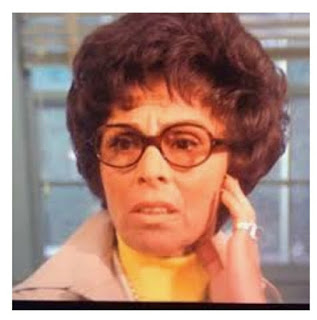
This is Mrs. Taft, she’s an “islander” from Amity Island. She wanted the beaches to stay open so she could get her tan. It didn’t matter that the little Kintner boy was eaten by the shark off a raft like sushi on rice. It didn’t matter that more people could die, as long as she could have what she wanted.
This level of self-centeredness didn’t just occur in a mid-’70s horror flick, it exists to this day in real life. Politicians like Mayor Vaughn are running rampant in this country. Most if not all politicians lie at some point; some are subtle about it, while others flaunt it like they are quoting from a Bible…oh wait, some claim they are doing that as well. They spread misinformation to gain attention and keep it on them, not for any altruistic purposes, but to stir up divisive rhetoric and promote hate. It doesn’t matter if they haven’t researched the facts, they are banking on their followers not researching it either. And they don’t!
People take these politicians and talking-heads at their word because they strike a nerve, an internal fuse if you will; they provide an outlet for people’s fear and anger within themselves that they have limited coping skills to address on their own. It is easier to blame others for their insecurities and misfortunes instead of taking responsibility for themselves.
Politicians and talking-heads prey on these people not to help them but to exploit them; while lining their pockets, gaining followers, and getting elected. Once they get what they want, they don’t all of sudden become compassionate and give back, no, they double down because they have to maintain this persona. Some don’t even believe what they are saying but they know it gets results, and that is all that matters. As long as they are able to get what they want, their selfish behavior will continue. Now, there are some “less intelligent” politicians and talking-heads, who believe they can say or do whatever with impunity; whether it is spreading misinformation, inciting anger/violence, or threatening people.
In order for the greater society to feel secure and hopeful for the future, there needs to be checks and balances for those who challenge the rule of law and thumb their noses at democracy. Talking heads who report information with skewed viewpoints or misinformation should be labeled “entertainment”, not news. Politicians should be held responsible for their actions and should have term limits.
People need to feel like they are being treated fairly, and not marginalized because of their socioeconomic status, the color of their skin, sex, or sexual orientation. When these factors are exploited, it does nothing but suppress, oppress, and regress society. This leads to all sorts of mental health and addiction issues, as well as violent and other acting-out behaviors. This in turn makes our job as mental health professionals more complicated than it already is.
Our job as therapists is to assist our clients toward self-improvement and a better quality of life. Often times their outlook is negative or bleak. It is extremely important for us to show them a path that is positive and hopeful. While it is often emphasized there are factors outside of their control they need to let go of; it is sometimes a daunting task. Those outside factors can carry a lot of weight, making it difficult for people with mental health issues to come out from under them. They need those public representatives to provide the information they need to make the best-informed decisions for their lives. That is what they are there for! (Otherwise, they are entertainers and should be labeled as such)
We will continue to be there for our clients, educating them about their mental health issues, and empowering them to manage their outside world. All we ask is that everyone else does their part to be informed, be kind to their neighbor no matter who they are or what they look like, and reject hate and negativity.
The term “friend” has come up many times in my practice and in my personal life as well. I hear it all the time, “my friend ” this and “my friend” that. I may ask how long they have known that person, or how well they know that person (or vice versa) So then I ask (myself), is there a statute of limitations on being someone’s friend when the friendship is not in use? Does it need to be renewed every few years, or does it expire? Is that a lifetime title you are giving that person? What do they need to do in order to maintain that title? Do they need to make a phone call every few years to keep it active? Will a text message saying “Hey” do?
I don’t know why I find this fascinating but I do. This is just my opinion…and maybe I’m doing a little ranting (so if you have anything you want to contribute please feel free to comment!). I think sometimes we hold on to that “friendship” from our past for nostalgic reasons. Or is it just more difficult to let that relationship go?
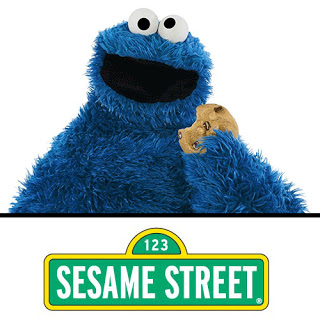
But what is aFRIEND anyway? I believe Cookie Monster may have said it best, “Sometimes me think, What is friend? Then me say, Friend is someone to share last cookie with”.
Friend: definition from dictionary.com:
1) a person attached to another by feelings of affection or personal regard,
2) a person who gives assistance, a supporter,
3) a person who is on good terms with another; a person who is not hostile,
4) a person associated with another as a contact on a social media site.
The Oxford Dictionary defines a friend as: A person with whom one has a bond of mutual affection, typically one exclusive of sexual or family relations.
Here is the Urban dictionary definition of friend: A friend is someone you love and who loves you, someone you respect and who respects you, someone whom you trust and who trusts you. A friend is honest and makes you want to be honest, too. A friend is loyal.
I believe a friendship is both conditional and unconditional. It is conditional on there being a mutual benefit for both parties to be in the friendship and stay in the friendship; it cannot be beneficial to one party and not the other and be deemed a friendship. It is unconditional in one’s love and respect for the other person.
It is unconditional when one can step out of their own shoes and into their friend’s shoes without any preconceived quid pro quo (such as “I’ll do this for you if you do this for me”, or “I did that for you now you owe me”)…just being there for that person because they are in need at the moment, and awareness it will be reciprocated if needed. It is unconditional when you look forward to seeing that person and they look forward to seeing you; knowing that each other’s time is valuable and worth giving that time to that person. It is unconditional when you can go a long time without seeing or talking to each other, and when you are together it’s as if you were never apart. There is an immediate affection and appreciation for that person.
“Friends show their love in times of trouble, not in happiness” -Euripedes
When push comes to shove, in times of need, who are you going to reach out to? Your family? Your co-workers? Your neighbors? Someone, you only see at your kid’s baseball games? Or someone who understands you, has always been there, and would drop everything to be there. Can you identify who those people are? Is it one person? Maybe you don’t have that person. You’re not alone if you don’t.
Acquaintance
What is an acquaintance? By comparison, an acquaintanceis defined as: a person known to one, but not a close friend (dictionary.com) The Cambridge Dictionary defines an acquaintance as: a person whom you know but do not know well and who is therefore not exactly a friend.
The Urban dictionary defines acquaintance as: someone you know but not close to, a friend you don’t see that often or don’t feel close to, someone you don’t see outside school or work.
I believe an acquaintance is someone you know; it doesn’t matter how much you know about that person but you know them. It is somebody you can be friendly with, someone you share a mutual interest with. The difference lies in the nature of the relationship. This is not someone you would normally spend time with (outside of that mutual interest that brought you together). This is NOT an unconditional relationship; meaning sharing love and respect for each other, wanting to spend your free time with that person. An acquaintance could be a quid pro quo type relationship, like an exchange of services that benefits both parties. This could also be someone you were once friends with but the nature of the relationship has changed, such as a high school friend that you haven’t had contact with since the last reunion. You might label them “old friends” or “childhood friends” but they are really acquaintances now.
I think we may know many people, but we are really friends with a smaller percentage of them. It is even a smaller number when we consider who we label “close friends” or “best friends”. So why do we call these acquaintances in our lives friends? For one, simply, it’s probably just easier. Another possibility, unfortunately, is YOU believe they are your friend but they really aren’t. You are always there for THEM but they aren’t really there for you. When you talk to them on the phone (or text) they are the ones who dominate the conversation, or somehow turn what you are talking about into something about them. This is a lop-sided friendship.
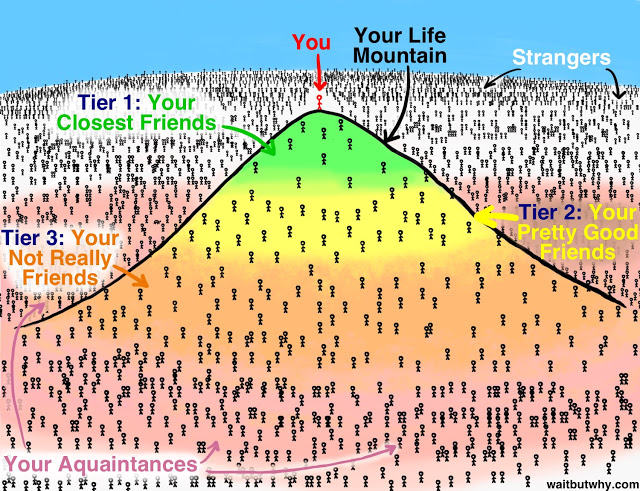
This illustration below (waitbutwhy.com) gives you an idea of what I am talking about. The majority of people on our mountain are acquaintances (gathered there at the bottom), and as you go up the mountain (closer to you sitting on the top), the number of people are fewer and fewer. So we don’t have a lot of friends, we have a lot of acquaintances. Those with a mountain that is top heavy with people they consider friends probably are trying to be all things to all people, and should a take little time to focus on themselves (see blog post, “I-I Me-Me Mine: The Case for Being Selfish).
“He who hath many friends hath none”-Aristotle
“Friendship with oneself is all important, because without it one cannot be friends with anyone else in the world”-Eleanor Roosevelt
When I am working with clients who are struggling to cope with issues like anxiety (including social phobia), depression, relationship issues, family issues, addiction, etc, I strongly encourage them to reach out to their support network. They need to have the social support to help them get through these issues…they cannot do it alone. When my clients have a good support system, even if it is 1 or 2 good friends, their ability to recover or improve their self-esteem and well-being increases dramatically. It is just as significant negatively when the support network is not there. I will ask my clients about their friends, and who they feel close to, and get a sense of how successful they will be at meeting their goals. That doesn’t mean if they don’t have friends they won’t meet their goals, it’s just going to be a little more challenging.
What about all those acquaintances???
Sometimes we have acquaintances that we just didn’t do enough (or anything) to cultivate into a friendship. Sometimes we are too loyal to our current friend group that we don’t want to offend them by exploring other relationships. Sometimes we make negative assumptions about those acquaintances, when in fact they have friendship potential. But because of those assumptions, we hesitated exploring a possible friendship.
When you have a limited social support network it’s difficult to seek new people to be friends with. As we get older and have more responsibilities, we have less time to develop new relationships. Maybe we don’t need to acquire new people to develop friendships, but instead invest the time to boost up those “Tier 3, not really friends” category.
Having people in your life you like to spend time with can really boost your self-esteem. You don’t always need a close or best friend around to lean on, sometimes you just want to share a laugh with people you can relate to, with no strings attached…but they aren’t necessarily your friends! 😉
“I have learned that to be with those I like is enough”-Walt Whitman
May is National Mental Health Awareness Month. Beginning in 1949, Mental Health Awareness Month has put a spotlight on the importance of mental health and wellness. There is such a stigma attached to mental illness or mental health in general, that over 70 years of advocacy and education have yet to overcome.
While 1 in 5 people will experience mental illness at some point in their lifetimes, everyone has faced or will face struggles and challenges that affect their mental health. You don’t have to be diagnosed by a doctor or therapist to know if you’re mental health is compromised.
Anxiety: Intense, excessive, and persistent worry and fear about everyday situations. Some symptoms include: Fast heart rate, rapid breathing, sweating, and feeling tired.
Stress: Any type of change that causes physical, emotional, or psychological strain. Stress is your body’s response to anything that requires attention or action.
Depressive symptoms: Hopeless outlook, loss of interest or pleasure, fatigue, sleep issues, irritability, changes in appetite and weight, uncontrollable emotions, thinking about death.
Alcohol abuse: Use of alcoholic beverages to excess, either on individual occasions (binge drinking) or as a regular practice.
Cannabis Abuse: when a person cannot stop using marijuana (dependence) and/or exhibits withdrawal symptoms when not using (ie. irritability, mood and sleep issues, decreased appetite, cravings, restlessness.
I mention these mental health issues because they are the most common issues people are in counseling to address. Everyone has experienced at least one of these at some point in their lifetimes. It may not be the presenting issue they initially come into counseling for. Oftentimes, people come in to address relationship, work-related, anger management, school, or behavioral problems. It is through the counseling process that the above-mentioned mental health issues surface. Mental health issues are often the root cause of the conflict they are experiencing.
So if these are issues that all of us have or will go through in our lives, then why is there a stigma? The viewpoint of mental illness is people afflicted with one are seen as a “weakness”, laziness, “soft”, or a “snowflake”. This level of ignorance is astounding and dangerous. The lack of understanding, awareness, and compassion is the reason so many people struggle through life untreated. Why is someone with a mental health issue looked down upon, or seen as different than anyone else? People are embarrassed and hesitant to seek counseling because of the negative connotations mental health brings. Their reluctance to seek out treatment has led to worsening symptoms, self-medication through alcohol and drugs, and suicide. If the past few years have taught us anything, the loudest voices are often the most misinformed yet influential people out there. They express their ignorant views about mental health, ostracizing those who desperately need assistance and pushing them into the shadows. Then we hear all of the “thoughts and prayers” when something tragic happens.
The past couple of years have seen unprecedented levels of anxiety, depression, alcohol, and substance abuse issues due to all things Covid-19. The pandemic took a tremendous toll on everybody in every way imaginable. It is still wreaking havoc on people today and will be felt for years to come.
I am passionate about helping people with their mental health. I welcome discussing it with those who are, shall we say, less informed. It takes tremendous courage and strength to accept that one needs help with their mental health. When someone comes to me for counseling, I want them to know they made the right decision and that help is on the way.
If you are experiencing any of the above issues, please do not hesitate to contact a therapist. You will be thankful you did! We don’t bite! We are people just like you! We are here to assist you so you can have a better quality of life and be the best YOU that you can be!
Artist – Josh Groban | Lyrics – Richard Marx and Linda Thompson
Fly me up to where you are
Beyond the distant star
I wish upon tonight
To see you smile
If only for awhile to know you’re there
A breath away’s not far
To where you are
It has been over 7 years since my father passed away and it feels like it was yesterday…but also a lifetime ago at the same time. I have said that I live in an alternate universe since he’s been gone; nothing is the same, and nothing will ever be the same. I think about him from time to time, there are reminders of him everywhere. He left his imprint on this world, not just in the hearts and minds of myself, my sister, and our families, but in the many many people he helped over the years (he was a therapist too), and those he worked with. He entrusted in all of us, the promise that we would move on, better our lives, and try, as he did, to leave this world better than it was.
It has been a tall order, I’m not going to lie…Although I understand the responsibilities of being an adult, sometimes I don’t wanna be an adult! I want to complain to my dad!!
It isn’t like I need a lot of “adulty” advice but he was always the one who had the answers; right, wrong, or otherwise, he had the answer. Now I have to be the one with all the answers and I am finding that I don’t have them all. It seems like a waste, all that information he had is gone forever. I try to think of how he would’ve handled certain situations or how he solved that dilemma. Sometimes it works sometimes it doesn’t, but I try and learn from it.
~Food for Thought~
“Psychologists have clinically observed that overly prolonged grief in the bereaved usually signifies a poor relationship with the one who died.”
How is one supposed to move on after losing someone? That’s the $20,000 question, isn’t it? The first answer simply is “You just have to” You needto continue living your life and making it the best it can be; knowing that life is fleeting…you need to pass on what you have learned to the next generation (whether or not you have children). “You need to enjoy each day as if it was your last”, you’ve heard that one before I’m sure. Well, you know what? Sometimes that is just impossible to execute, sometimes I just want to do nothing and let the minutes and hours tick away. I mean, what is the point of all this anyway? They’ll find their way, they’ll move on just like I had to, right? Maybe, but why leave them so much uncertainty when their lives are just starting out?
What if I was able to provide some guidance or direction that I wasn’t given by my father. Maybe I DO know the answer, maybe I just need to keep working on myself, improving my quality of life, and passing on whatever I know while I can for as long as I can. There has to be some meaning to life and the only way to find it is to move on and move forward.
~Food for Thought~
“The reality is that you will grieve forever. You will not ‘get over’ the loss of a loved one; you will learn to live with it. You will heal and you will rebuild yourself around the loss you have suffered. You will be whole again but you will never be the same. Nor should you be the same nor would you want to.”
Today I reflect on my loss as I mourn the loss of a very close friend of my father’s. This man not only shared the same passions as my father and myself but also had a zest for life in general. He was very active right up until he was hit with a stroke. It came out of nowhere and stopped short any and all plans for the future…just like that. He left a tremendous legacy behind in all that he has touched but also left a void that can never be replaced. How does one prepare for this? Can you really prepare for this? Whether you are the one who has died or the one who is left behind, there really is no way to properly prepare for this inevitability. That is why it is so important to make the living days count, no matter how big or small. Live each day to make it better than yesterday. And although this day gives me pause, I know tomorrow I will pick up where I left off and live life the best way I can.
“Oh the nerves, the nerves; the mysteries of this machine called man! Oh the little that unhinges it, poor creatures that we are!” ~Charles Dickens
Heart palpitations, sweaty palms, dry mouth, flushed face, nausea, and dizziness…must be your first date or a job interview, or maybe a big test…NOPE! You’re at a PARTY!!! HUH?? How can that be? Those are symptoms of anxiety or someone having a panic attack…but at a PARTY?? WHAT GIVES?!?!? Social Anxiety…
SOCIAL ANXIETY- (social phobia) “is the fear of social situations that involve interaction with other people. You could say social anxiety is the fear and anxiety of being negatively judged and evaluated by other people. It is a pervasive disorder and causes anxiety and fear in almost all areas of a person’s life”. (Social Anxiety Association)
This happens to be one of the largest mental health problems in the world today. Obviously, this doesn’t just affect people at parties; this affects them anywhere they are in the presence of others where they perceive they will be judged negatively. It can be quite debilitating, disrupting major aspects of their lives.
Aloof, cold, unfriendly, unapproachable, a “bitch”, stuck-up, angry, weird... these are some of the unflattering terms sometimes used to describe people with social anxiety. In reality, people with social anxiety are petrified, paralyzed by fear, and unable to relax and blend in.
People with social anxiety will appear withdrawn, shy, quiet, and even disinterested. They also may self-medicate with drugs or alcohol to lower that anxiety that may be holding them back in social settings.
(There are many problems with this, one of which is when that person doesn’t know when to stop drinking. Without alcohol they could be reserved or shy; with alcohol they could be loud, boisterous, and obnoxious. This not only doesn’t solve the social anxiety issue, it also creates the very perception they were trying to avoid).
There are many triggers that cause significant distress for them; but ask yourself if you have experienced anxiety from any of these, because you may have social anxiety as well!
Being introduced to other people: How’s your handshake, is it firm or a dead fish when you meet people? Can you remember their name? Are you making eye contact?
Being teased or criticized: Friends like to “bust chops” with each other but for some, it is extremely embarrassing and/or anxiety-provoking. Victims of bullying experience significant anxiety in social settings, whether they are in the presence of the bully or not; they believe the people around them will start teasing them and embarrassing them…it’s very traumatic. At your job, maybe your work is being critiqued and you start thinking, “I must be really incompetent”, or “she must really not like me”.
Being the center of attention: While there are certainly some who love being the center of attention, people with social anxiety dread it, and they can be extremely embarrassed being the focal point in a social setting.
Many people do not like being the center of attention, it’s like the spotlight is on you, and you need to perform, while everyone else is watching and judging you. NO PRESSURE! It’s like walking into a room with a bunch of people in it and all of a sudden they are all looking at YOUUUUU…”OOOOOH, look who just walked in! Look at how he stands with those two legs of his, who does he think he is anyway??” The reality is, THEY DON’T CARE!!! You got their attention for exactly 1.5 seconds and then they went back to what they were doing. You THINK they are devoting more time to you, studying you, analyzing you, smelling you, but they aren’t. (Well, maybe not smelling you…)
What I have learned over the years, (and a little bit from watching the movie High Anxiety Mel Brooks classic, highly recommend!), is sometimes if you want to go unnoticed you need to do something that is noticeable. If you feel like people are judging you for basically walking into a room and breathing why not give them something (intentionally) to focus on? One way to do this is doing something self-deprecating…that’s right, make fun of yourself!Poking fun at yourself, or even saying something about your social anxiety can actually diffuse the otherwise uncomfortable environment you are in. Then, like I said, they will resume what they were doing before, and you are in! I believe laughter is the “Great Diffuser”, it breaks the ice, eases tension, and makes those around you less anxious (including yourself)…but it needs to come from you. When you make fun of yourself or the situation, you know what you will find?? Other people there feel the same way or have been in the same situation.
Of course, it makes things a lot easier when you enter and see someone you know; make a point of going up to that person and greeting them. Don’t wait for them to come to you.]
Being watched or observed while doing something:“I always feel like, someone is watching me-eee”, sorry Maxwell reference there (Who knew who Maxwell was…where are my 80’s people?!). This is the ultimate in being judged; performing a task, or performing in general while people are watching you. “What are they thinking?” “Do they like what I’m doing?” “What if I mess up? They’re going to laugh at me” “They must think I’m incompetent”
Talking in a formal, public situation: Public speaking #1 fear (see the previous point) Another thing I have learned over the years from speaking in public is having tunnel vision. Actually, it is something I developed back in high school when I was a pitcher for the school baseball team. I was able to tune out the stimuli around me and only focus on what was in front of me. When I let distractions get in my head, my performance suffered. In public speaking situations, I would zone in on one or two friendly faces. When I did this I was able to tune out the rest of the stimulation around me and deliver my speech or whatever I was talking about. The longer I was up there the more at ease I was.
Meeting people in authority: Meeting important people or those who have influence can be quite intimidating. You are trying to put your best foot forward and make a good impression. What if you felt so anxious you avoided meeting them at all? What would the ramifications be? Missed opportunities, failed promotions, negative/false perceptions, loss of friends and significant others, etc.
Feeling insecure and out of place in social situations: How about sitting with a group of people and there is a conversation going on and you have absolutely nothing to contribute. And then the death knell strikes…someone turns to you and says...how come you’re not talking??? 😨
Other triggers for social anxiety:Making phone calls, ordering at a restaurant, returning something to a store, or raising your hand in class.
Conversations
Some clients I have worked with report having a difficult time starting (or continuing) a conversation. And if they don’t have ready conversation topics to discuss, they try and avoid being in that situation in the first place. Here are some ideas to consider:
Ask questions: Show genuine interest in the person you are with. Make sure they are not closed-ended questions, meaning questions that lead to “yes or no” answers or one-word answers. If you are listening to their answers you should be able to ask a follow-up question or two.
Avoid the one-upmanship response: This isn’t a competition, responding with something that appears to outshine their response is a turn-off and a certain conversation killer. If they ask you a similar question you answer honestly, but you are avoiding being dismissive of their responses.
Maximize similarities and redirect differences. There are more things that bind us than divide us. Emphasizing the differences can lead to unnecessary arguments or confrontations…certain conversation killers, AND a possible setback in progress working through social anxiety.
Remember, social anxiety is extremely common, more people have it than you think. Talking to a therapist about it can really help unburden you of this weight you are carrying. Sometimes knowing someone else struggling with social anxiety can help; support groups are a great way to see that you are not alone and to explore different ways to overcome your anxiety.
“It’s sad actually because my anxiety keeps me from enjoying things as much as I should at this age” -Amanda Seyfried
“Comedy is probably a way to deal with anxiety. Sometimes it’s a way of dealing with pain” -Hugh Grant
“It’s official: The biggest back-to-school bullies are anxiety, worry, and fear”-Chuck Norris
If you have any questions and/or comments please feel free to submit them here. I hope this was helpful and entertaining!